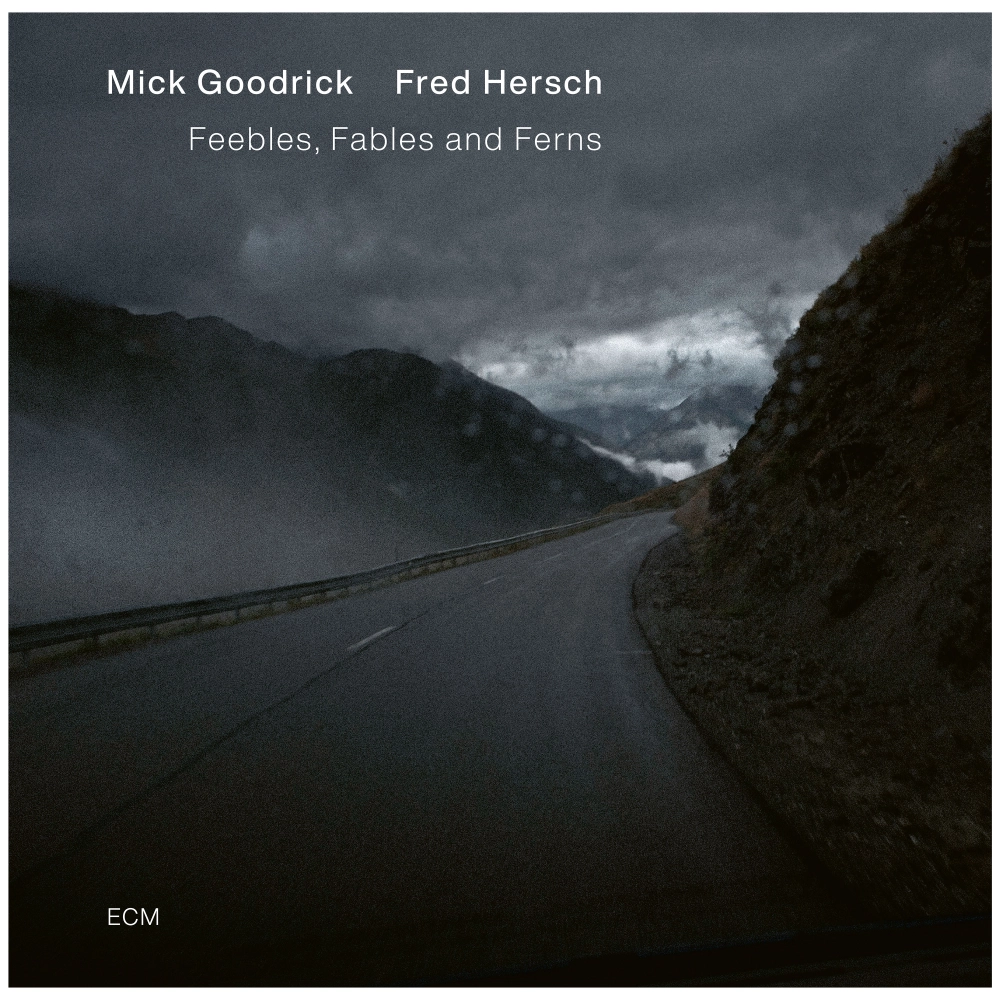
18.09.2026 | Reviews of the week
Sir András Schiff’s freshly released recording of Johannes Brahms’s intimate Klavierstücke thrills reviewers in the UK and Germany
In his first integral recording of Brahms’s late piano pieces, András Schiff features the same 1859 vintage Blüthner piano that he used for his ECM Brahms concertos (7/21). […] its timbral distinction between registers yields a telling variety of colours , together with the kind of textural transparency that underlines Arthur Rubinstein’s apt description of these works as ‘chamber music for a solo pianist’. The pianist opens with the ‘Albumblatt’, a previously unknown piece that Christopher Hogwood discovered and subsequently edited for publication in 2012. […] it provides a fitting curtain-riser for the multitude of interpretative revelations offered throughout this release. […] The pianist’s booklet notes provide articulate reflections about each piece that are both personal and insightful. Highly recommended.
Jed Distler, Gramophone
Er zeigt uns eine Seite von Johannes Brahms, die man in anderen Einspielungen nicht oft hören kann: eine ebenso sensible wie – vor allem – eine verletzliche Seite, die mehr ist als Wehmut oder Nostalgie. Brahms erkennt eine Welt voller Brüche und Dissonanzen. Seine Antwort darauf ist jedoch weder laut noch schrill, stattdessen entwirft er eine Musik nahe an der Grenze zur Stille. Eine klangliche Sinn-Suche in kleinen, feinen Schritten. […] András Schiff erkennt in Brahms‘ Musik immer zuerst etwas Kammermusikalisches: ein subtiles Miteinander von Verläufen und Stimmen. Es gibt keine nebensächlichen Begleitakkorde, jedes Detail wird zu einem wichtigen Element im Verbund des Ganzen, […]. Innerhalb jedes einzelnen Stückes entstehen enge Bezüge: Echo-Effekte, Frage-Antwort-Spiele usw. […] András Schiffs Anschlag ist kultiviert und differenziert. Er findet für die verschiedenen Schattierungen des Leisen und sehr Leisen immer die passenden Mittel. Beim Pedalgebrauch ist er sparsam. Daraus ergibt sich ein ungemein transparentes Klavierspiel. Eine wundervolle, eine berührende Aufnahme: innig und kammermusikalisch transparent und farbenreich. In ihrer subtilen Intensität wirft sie stellenweise ein neuartiges Licht auf diese Musik.
Christoph Vratz, Deutschlandfunk
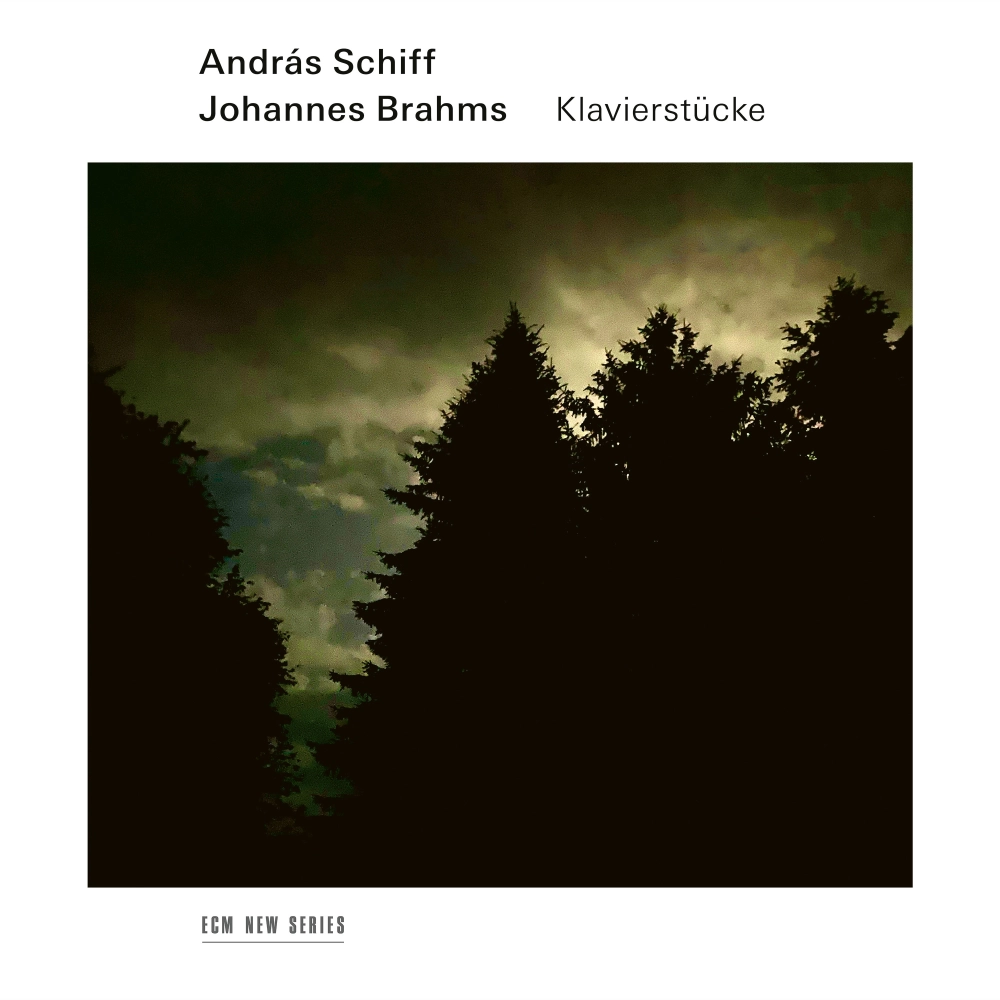
The newly released album Ritornare by Enzo Favata and his Quintetto Atlantico is welcomed by media in the US, Italy and Germany
Sardinian saxophonist and clarinetist Favata’s new recording comes across as an immersion into worlds bordered on both sides of the Atlantic, not to mention the Mediterranean. Spookily beautiful across eight tracks, listeners will be treated to the decades-long love shared between Favata, guitarist Marcello Peghin, bandoneonist Daniel Di Bonaventura, bassist Salvatore Maltana and drummer UT Gandhi. That immersion into all things geographic and impressionistic can be heard within the haunting interplay on the sweetly lyrical ‘Escuchame’.
John Ephland, Downbeat
Un clarinetto basso tra Trovesi e Surman apre ‘Albatros’, congedo di questo gioiellino d’album, dove gli armonici d’ancia paiono suppliche represse in gola, gli arpeggi battiti d’ali verso orizzonti remoti e l’alitare del mantice riflessi d’occhi ormai esausti. Tutto per dare volto umano alla bellezza. Qualche tempo fa sul web mi sono imbattuto in questa frase: ‘Nostalgia non è rimpianto: è un legame silenzioso con ciò che ci ha attraversati davvero’. Ecco, questa è un’opera che attraversa. Viaggi, storie, ritorni.
Ernesto D’Angelo, Buscadero
Ein tänzerisches, folkloristisch angehauchtes wie befeuertes Jazzalbum aus der Abteilung der Luftkünste, bei denen die Empfindungen nur so fliegen zwischen atlasweiss, sanddornorange, azurblau, sandkastenocker und korallenriffschimmernd. Inspiriert wurde die Band um den 70-jährigen sardischen Saxofonisten gewiss auch von dem Bandeonisten Dino Saluzzi, aber die Quellen sind zahlreich, und wenn eine Maltechnik und eine Richtung der Malerei hier den Ton angeben, dann jene ausgelassene Zone zwischen Aquarellmalerei und Impressionismus, in der sich ein hypermelodisches Arsenal von Saxofonen, ein Kontrabass, eine zehnsaitige Gitarre, ein Bandoneon und allerlei Perkussion herumtreibt. Wie gesagt, alles fliegt und fliesst. Wehe, einer nennt dies ‘easy listening’ statt ‘deep easy listening’!
Michael Engelbrecht, Flow Worker
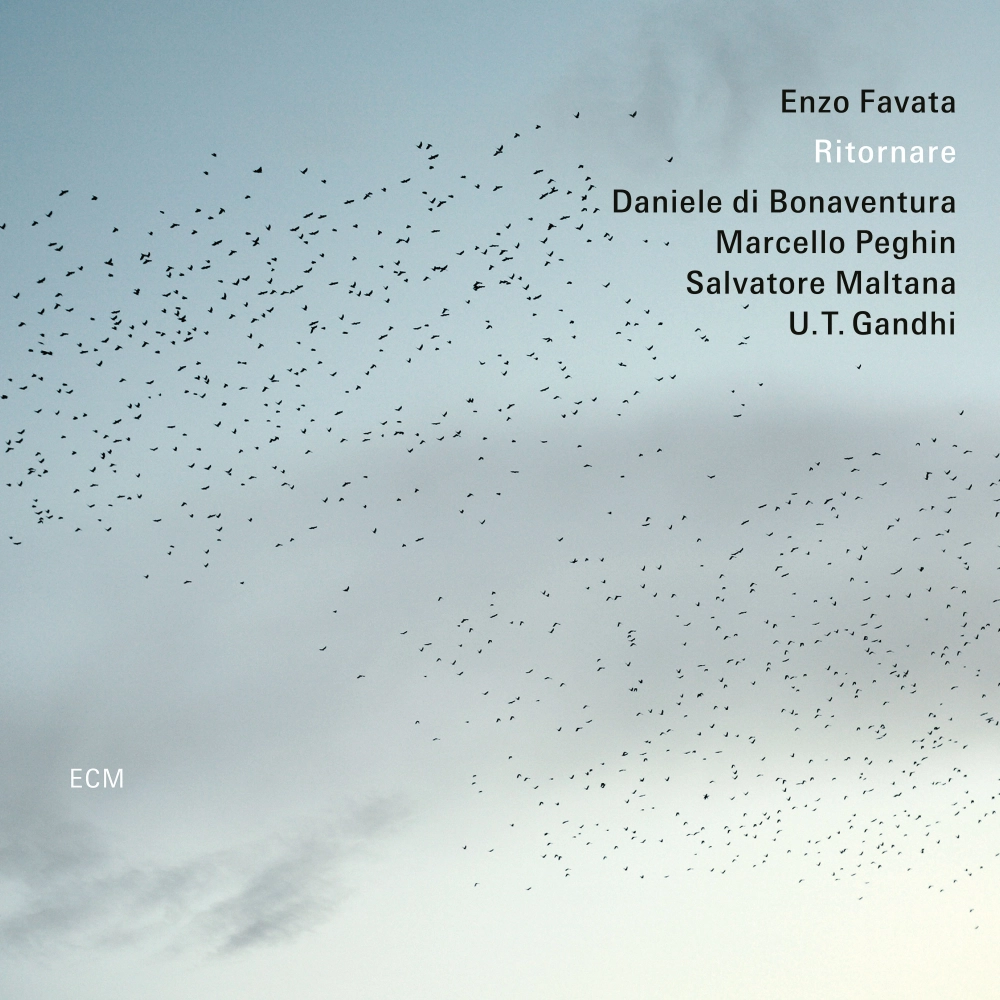
More early acclaim for the album Salt Catchers by the Andy Sheppard Trio
Melancholy and longing pervade ‘Salt Catchers’, the title referring to workers catching salt in in and around Lisbon, where Sheppard lives. The music blends and merges in ways that can make one feel very close, as if listening in on truly intimate exchanges. Following the lighter- than-air opener ‘Elevation’ comes Carla Bley’s ‘Lawns’, a gorgeous melody where everyone sings as if in a dream. The perky title track gives us off an air of playfulness, with more unison lines of merriment. Alternating between tenor and soprano, Sheppard’s rich, often understated tones almost seem to be music all themselves, ‘Encantos’, a tenor excursion with a very light touch, piano and bass sensitively, delicately supportive. But, of course, all three players must be heard together.
John Ephland, Downbeat (Five stars)
Sheppard’s gentle, precise phrasing establishes the album’s recurring melancholic themes, while the trio’s spacious interplay allows the music to breathe. Bley’s ‘Lawns’ follows, with Sheppard’s intimate knowledge of the piece, alongside the drummer-less format, allowing a natural evolution for the tune and space for all to explore. Sheppard charms his way through ‘Encantos,’ his warm tone flowing between romantic and bittersweet reflection. Marcotulli and Benita provide the highlights on ‘Draw You In Stars,’ providing a soft platform for the saxophone before Benita delivers an evocative solo. ‘Salgado,’ which works both as a tribute to the famous photographer and also ties in to the title, being the Portuguese for salty, proves to be an album highlight with its flowing saxophone, supple interplay and folky rhythmic structure. […] Alongside Sheppard’s skills as a saxophonist, ‘Salt Catchers’ also shows his compositional abilities. His writing gives each member of the trio space to shape the music, whether individually or in combinations, allowing melody and interaction to constantly shift, creating an elegant album that captivates and delights in equal measure.
Neil Duggan, All About Jazz
Andy Sheppard has always seemed to me one of those British jazz musicians whose importance outweighs the noise made around him. He has quietly built a remarkable career, moving between jazz, folk, world music and contemporary composition while retaining a sound that is unmistakably his own. ‘Salt Catchers’, his latest ECM recording with pianist Rita Marcotulli and bassist Michel Benita, is one of his most beautifully distilled statements in recent years. […] Recorded in Lugano in March 2025 and produced by Manfred Eicher, it brings Sheppard together with two musicians he has known for years but never previously recorded with as a trio: Italian pianist Rita Marcotulli and French bassist Michel Benita. The result is exquisite. […] And that is the defining quality of Salt Catchers: its natural beauty. There is no grandstanding, no unnecessary virtuosity, no attempt to force the listener’s attention. […] This is ECM music at its most convincing: spacious, intimate, beautifully recorded and never over-polished. It sounds genuine and from the hearts of the musicians themselves. Marcotulli, Benita and Sheppard perform with such elegance and grace that the trio sounds as though it has existed for years—a stunningly beautiful album.
Mike Gates, UK Vibe (Five stars)
For his fifth album as a leader for ECM, Andy Sheppard has formed a marvellously intimate and stately-sounding trio with two of his most longstanding musical partners in live performance, pianist Rita Marcotulli and bassist Michel Benita. Both the group and the repertoire of new original Sheppard compositions (plus a version of Carla Bley’s tune, ‘Lawns’ , that is so addictively good it takes real willpower to get beyond it), represent a triumphant affirmation of the saxophonist’s supremely melodic gifts
Phil Johnson, UK Jazz News
As if relishing the opportunity to record with this new line up, Sheppard has written some bold new compositions, taking on a very different sound world from the two quartet albums, and his own playing sounds fresh and invigorating. This can be heard right from the opening number ‘Elevation’ with the saxophonist’s distinctive signature sound on tenor in this gentle and lyrical composition and continues through on ‘Encantos’ that boasts a beautiful melody that is played with great expression by Sheppard. Any thoughts that this is simply Sheppard’s outing is quickly dispelled when listening carefully to the overall sound world of the trio as the music seems inconceivable with the contribution of Marcotulli and Benita. […] This melancholy mood is in stark contrast to the title track, a dynamic composition that finds Marcotulli using the pedals and strings inside the piano along with double bass to create a darker setting for Sheppard’s soprano saxophone.
Nick Lea, Jazz Views
Anders und doch vertraut klingt diese Musik. Immer wieder scheint Carla Bleys Geist, ihr Humor und ihr Hintersinn durch, aber nie kopiert Andy Sheppard seine große Mentorin. ‘Salt Catchers’ heißt das Album, das beim Label ECM erschienen ist. Der poetische Titel ist inspiriert von den Salinen in der portugiesischen Stadt Aveiro und den Arbeitern, die dort das Salz ‘fangen’. Portugal ist die Heimat von Andy Sheppard, dementsprechend schwingen immer mal wieder südliche Fernweh-Klänge durch die Musik. Andy Sheppards ‘Salt Catchers’ – ein Genuss-Album, nicht nur für Fans des Carla Bley Trios.
Ulrich Habersetzer, Bayerischer Rundfunk
Schon die ersten Takte stellen klar: Der britische Saxofonist Andy Sheppard, die italienische Pianistin Rita Marcotulli und der französische Kontrabassist Michel Benita sind, wie man so sagt, füreinander geschaffen. Sheppard hat acht Titel eigens für dieses Trio komponiert und als einzige Fremdkomposition ‘Lawns’ von Carla Bley integriert. […] In diesem schlagzeuglosen Trio gibt es kein Vorpreschen und keine Dominanz, keine überflüssigen Töne. Feinfühlig verflechten die drei ihre Anteile am Gesamtklang. In diesem strömen Sheppards Töne zart und manchmal auch verträumt aus Tenor- und Sopransaxofon. Er lässt ihnen Zeit, hört ihnen nach, verändert die Klangschattierungen in deren Aufblühen, gibt ihnen Kontur, und wenn es notwendig ist, haucht er sie so zurückhaltend, dass die strömende Luft die Tonhöhe nur noch ahnen lässt. Vor allem aber offenbart er sich als Meister der Melodien und Spannungsbögen, die ins Spiel der beiden anderen eingebettet sind. Und das alles geschieht wunderbar luftig. Die Sorgfalt, mit der im Auditorio Stelio Molo RSI in Lugano die Klangbalance und das Schweben der Töne im Raum eingefangen wurden, krönt die Produktion.
Werner Stiefele, Rondo
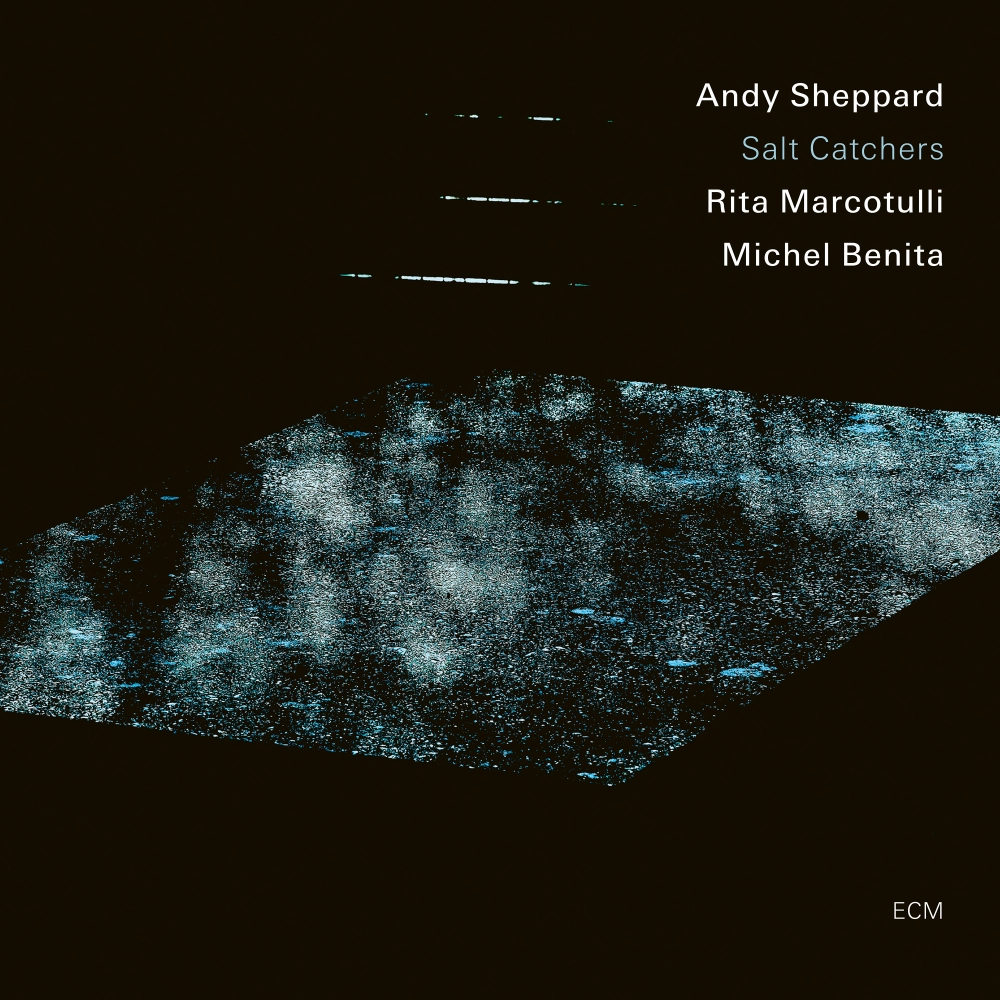
The freshly released re-issue of the album Illusion Suite by Stanley Cowell within the Luminessence vinyl-series is welcomed by media in the UK and Germany
Wow. Pianist and composer Stanley Cowell‘s only ECM album was recorded in New York in November 1972 and released in 1973. The other musicians are bassist Stanley Clarke – yes, that Stanley Clarke, whose jaw-dropping solos on ECM’s ‘Return to Forever’ by Chick Corea were made just before the Cowell date – and drummer Jimmy Hopps. Ethan Iverson’s excellent sleevenotes commissioned for this landmark vinyl re-release dig deep to reveal the fascinating multiple musical and cultural reference points behind the album, and a little of Cowell’s backstory. But you really have to hear ‘Illusion Suite’ repeatedly, over its two sides of three tracks each, to get the full effect. […] This is a stonkingly good album from deep out of the past, and Stanley Cowell, who died in 2020 aged 79, was clearly some kind of genius.
Phil Johnson, UK Jazz News
Der Pianist muss ein freiheitsliebender Mensch gewesen sein, lässt er sich doch von keinem Genre einengen, stellt afrikanische Polyrhythmen neben harten Funk, weitet die Tonalität, um dann Balladen einzustreuen. Ganz der Zeit geschuldet, wechselt Cowell vom Klavier zum E-Piano und wieder zurück. Überhaupt bleibt die Musik so wenig einschätz- wie vorhersehbar. Zusammen mit Drummer Jimmy Hopps und dem jungen Bassisten Stanley Clarke, der hier in überragender Form als Cowells Sparringspartner agiert, setzt sich dieses Trioformat aus drei Individualisten zusammen – erlauben sich doch alle drei Player Frei- und Verrücktheiten.
Tilman Urbach, Jazzthetik

Reviewers in the US, Austria and Germany are fascinated by the trio album Windflower by Ayumi Tanaka, Thomas Morgan and Thomas Strønen
Deep listening is an understatement when you hear cascades of moods, silences, the occasional burst, the ruminations sometimes slightly turbulent, as with stop-and-start episodes of the subtle ‘From Us, To You’: no crescendo, no discernible beginning or end. Each player expresses infinite patience with every note played. It’s stillness personified in an uncanny three-way musical dialogue that will include fetching melodic gestures, rhythm a kind of fleeting permeable pulse like an irregular heartbeat.
John Ephland, Downbeat
Die drei interagieren höchst sensibel und intuitiv aufeinander, versorgen sich wechselseitig mit Impulsen und lassen sich voneinander inspirieren. Hier wird auf Reduktion statt auf Opulenz gesetzt und stets mit feiner Klinge gefochten. Es ist ein ruhiges und unaufgeregtes Erforschen gemeinsamer Klangräume, in denen man auf eine wohltuende Balance achtet und in denen auch die Stille zur kreativen Ausdrucksform wird. Das ist in diesen Chamber-Jazz-artigen Improvisationen vermutlich jener Punkt, an dem japanische Tradition und nordische Klangwelten aufeinandertreffen. Thomas Strønens Spiel ist eigentlich ein höchst einfühlsames und nuancenreiches Dauersolo, das allein schon stets die notwendige Grundspannung aufrechterhalten würde. Dazu lässt Thomas Morgan, der mittlerweile auch schon auf 16 ECM-Alben vertreten ist, sein breitgestreutes Ausdrucksvokabular auf dem Kontrabass zur Wirkung kommen, grundiert mit federleichten Einwürfen ebenso wie mit satten, aber etwas abstrahiert wirkenden Walking-Bass-artigen Linien. Das harmoniert alles perfekt mit Tanakas sparsamen, lyrisch mäandernden Klavierläufen und impressionistischen Klangbildern. ‘Windflower’ ist die englische Bezeichnung für die Anemone (Buschwindröschen), die in vielen Kulturen als Symbol für die Vergänglichkeit der Schönheit gilt – in dieser musikalischen Form ist sie jedenfalls zeitlos.
Peter Füssl, Zeitschrift für Kultur und Gesellschaft
Dem neuen Trio um die japanische Pianistin Ayumi Tanaka gelingt mit diesem fantastischen Album das seltene Kunststück, Momente zu zeigen, ohne sie einzufangen […] Die acht frei improvisierten Stücke und Tanakas notiertes ‘La Source’ leben von Raum, Stille und feinsten dynamischen Verschiebungen. Und davon, sich nichts und niemandem gegenüber zu verpflichten. Tanakas Klavier, Morgans melodischer Bass und Strønens präzise Impulse verschmelzen zu einer Musik, die zugleich kammermusikalisch intim und vollkommen offen für den Moment bleibt. […] Am Ende steht ‘The Dissolving Sun’, ein gerade einmal 2:41 Minuten langes Stück voll funkelnder Sehnsucht. Es ist, als würde diese Musik zum Schluss noch einmal kurz aufleuchten, bevor sie sich endgültig verflüchtigt.
Sebastian Meißner, Sounds and Books
The recording of works by Prokofiev, Schnittke and Pärt with the Duo Gazzana enchants reviewers in Spain and Italy
La complicitat entre Natascia Gazzana, violí, i Raffaella Gazzana, piano, té al darrere molts anys de música compartida, però en aquest nou enregistrament per a ECM interessa sobretot la naturalitat amb què totes dues estableixen un espai interpretatiu comú. El programa reuneix Serguei Prokófiev, Arvo Pärt i Alfred Schnittke, tres compositors de llenguatges ben diferenciats, a través dels quals el Duo Gazzana explora registres expressius contrastants sense perdre la unitat del conjunt. La Sonata núm. 1, op. 80, de Prokófiev desplega un univers de fortes tensions i contrastos expressius, que les Gazzana interpreten amb una intensitat mesurada i un notable sentit de la continuïtat. Els canvis sobtats de caràcter adquireixen relleu gràcies a la precisió del diàleg entre violí i piano. El violí de Natascia Gazzana conserva la nitidesa fins i tot en els episodis més aspres, mentre que el piano de Raffaella Gazzana dona profunditat i relleu a una música en què l’amenaça i el lirisme conviuen constantment. El tercer moviment permet apreciar especialment la qualitat del fraseig i la manera com les dues intèrprets treballen el silenci i la suspensió. […] La interpretació del Duo Gazzana impressiona per l’entesa excepcional entre les dues germanes i per una sensibilitat compartida que es manifesta en els detalls més subtils. Natascia Gazzana combina una afinació precisa amb un fraseig flexible i una gran varietat de matisos, mentre que Raffaella Gazzana ofereix una interpretació de gran claredat, atenta al pes de cada acord i a la respiració de la línia del violí. L’equilibri entre totes dues és admirable: cap veu queda subordinada a l’altra i el diàleg manté una tensió expressiva constant, tant en els passatges més vehements de Prokófiev com en la quietud de Pärt. Aquesta capacitat per modificar el color, la densitat i el caràcter sense perdre cohesió revela la maduresa interpretativa del duo. Enregistrat al Reitstadel de Neumarkt el febrer de 2025, el disc posa en relleu una qualitat essencial del Duo Gazzana. Les dues músics comparteixen una mateixa respiració musical sense uniformar les personalitats del violí i del piano. La seva proximitat es percep en la precisió dels diàlegs, però sobretot en una manera de tocar directa i essencial, que dona a aquestes obres una notable força expressiva.
Núria Serra, Sonograma
Queste quattro pagine cameristiche trovano nella lettura del Duo Gazzana un esempio supremo dell’arte interpretativa, in quanto le due sorelle hanno saputo sviscerare da ognuna di esse l’essenza stessa del loro manifestarsi sonoro, decodificando in modo esemplare proiezioni fatte di disperazione, di trascendenza, di macabro umorismo, con i loro strumenti tramutati in commoventi sismografi dell’anima e della manifestazione artistica. Un CD prezioso, magnifico, capace di illuminare i risvolti più protondi del Novecento musicale.
Andrea Bedetti, Grooveback Magazine
An Italian reaction to the duo recording Feebles, Fables & Ferns by Fred Hersch and Mick Goodrick
Ancora una volta Manfred Eicher dimostra la capacità di riconoscere il valore duraturo di certi incontri, riportando alla luce una musica che non suona come un documento del passato, ma conserva intatta la propria vitalità espressiva.Una nuova grande perla del ricco catalogo ECM, capace di raccontare molto più di quanto suggeriscano le sue dimensioni raccolte: l’incontro tra due grandi musicisti e, insieme, la memoria viva di una tradizione creativa, che continua a esercitare la propria influenza ben oltre il tempo della sua registrazione.
Vittorio Pio, JazzIt